


Property Management
Presentation is an asset strategy
August 2026 — 5 min read
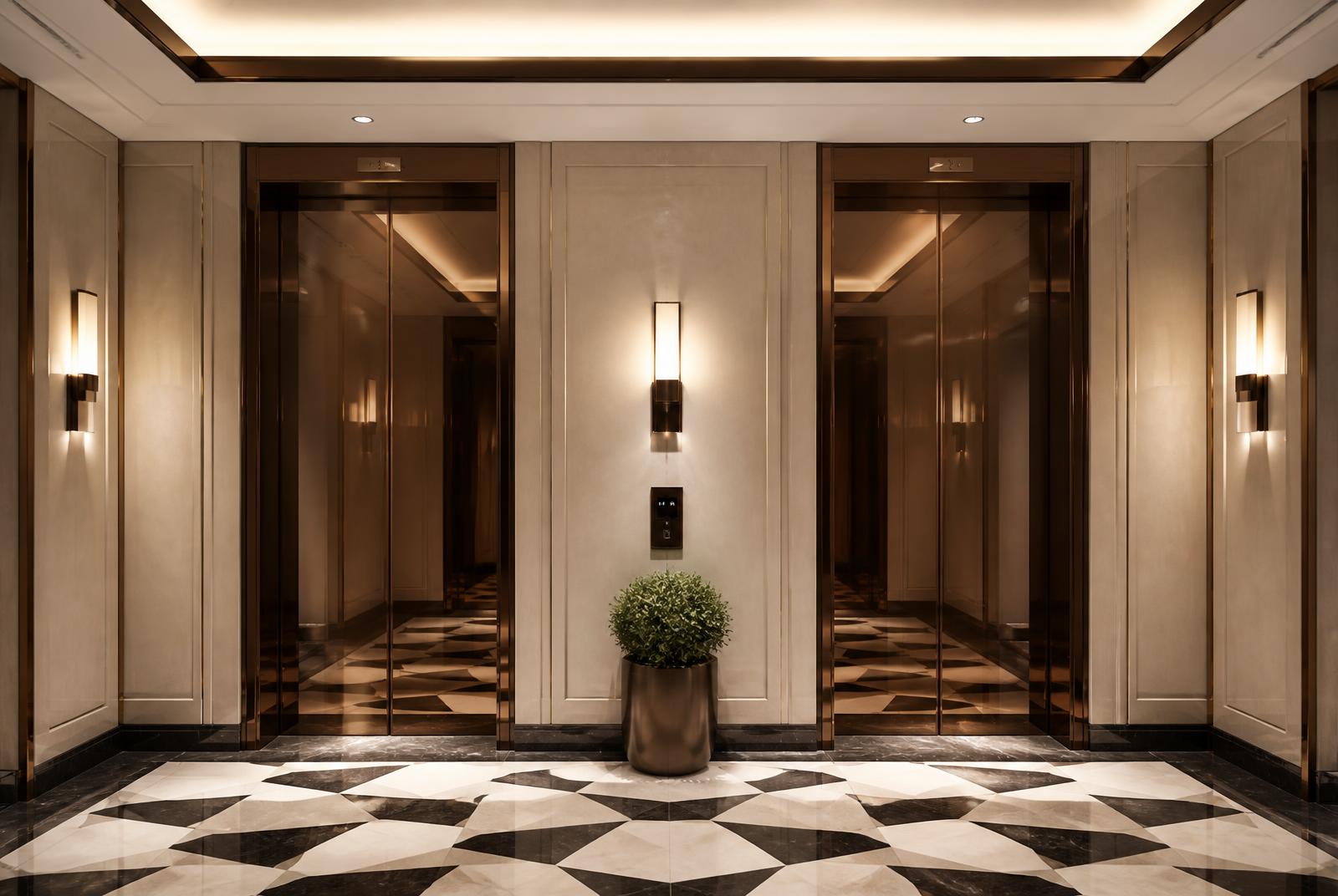
Lobbies, corridors and terraces are not cosmetic concerns. They are the most consistently observed part of any residential asset — and the fastest signal of how it is managed.
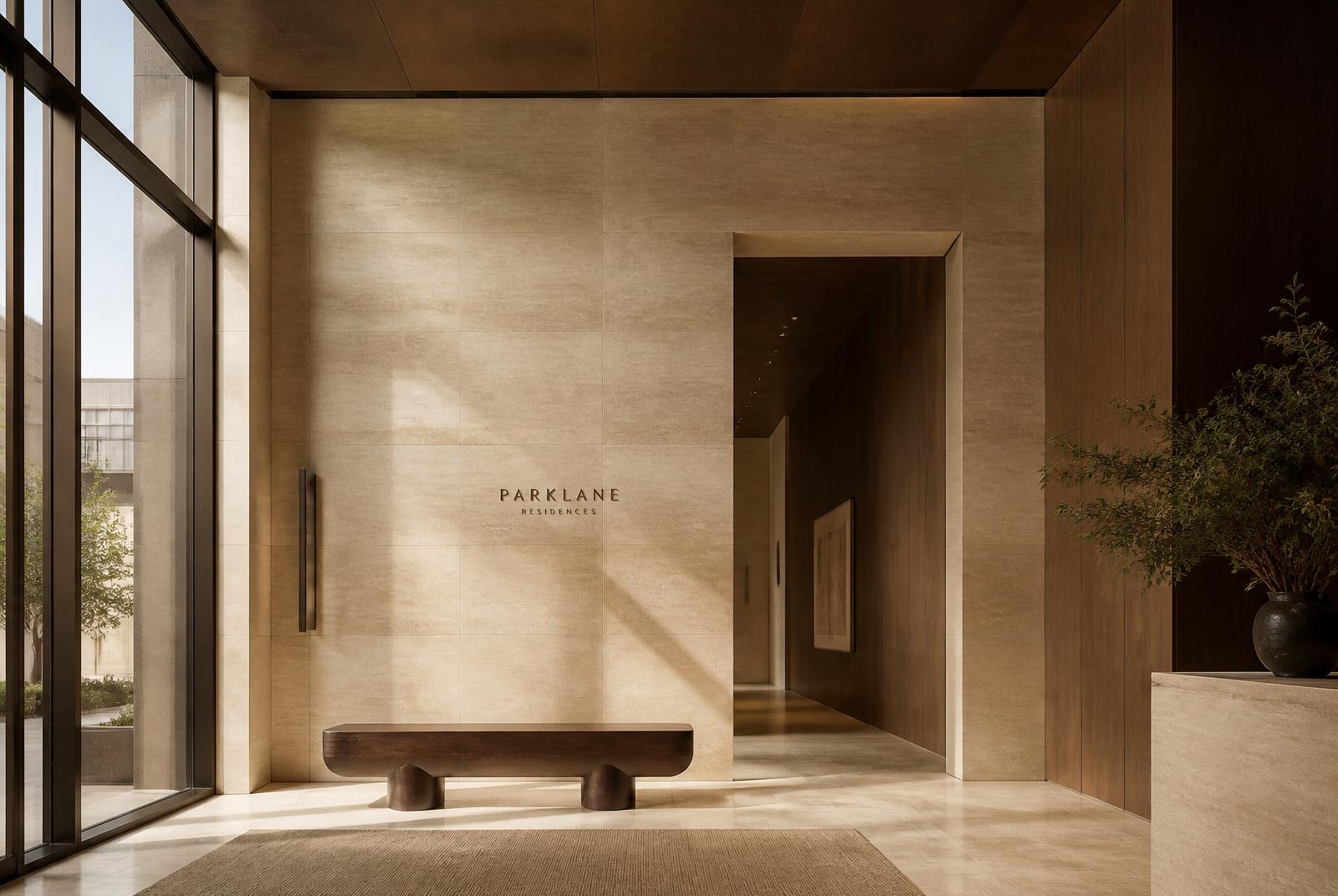
Every valuation of a residential property is preceded by an impression. A prospective buyer, tenant or committee member forms a view of a building within roughly thirty seconds of entering it, and almost none of that view is formed from documents. It comes from the entry, the lift lobby, the corridor, the lighting, the smell of the space and the condition of the finishes.
This is why presentation deserves to be treated as an asset strategy rather than a housekeeping matter. It is the only part of building management that every stakeholder experiences directly and continuously.
Presentation operates on three levels, and they compound.
The first is cleanliness. This is the baseline, and it is unforgiving: it must be maintained daily and is noticed only in its absence. Entry glass, floor finishes, lift interiors, corridor carpets, bin rooms, car parks and refuse areas are the standard checkpoints. The trap is scheduling cleaning to a contract rather than to a standard — a specification that says 'twice weekly' is not the same as a building that is clean on a Friday evening.
The second is condition. Finishes wear, and wear reads as neglect long before it reads as age. Chipped architraves, scuffed skirtings, dulled brassware, mismatched touch-up paint, tired signage, loose door closers and yellowed light diffusers each seem too small to schedule. Collectively they redefine a premium building as an ordinary one. Sustained condition means a rolling program of small rectifications rather than periodic large refurbishments.
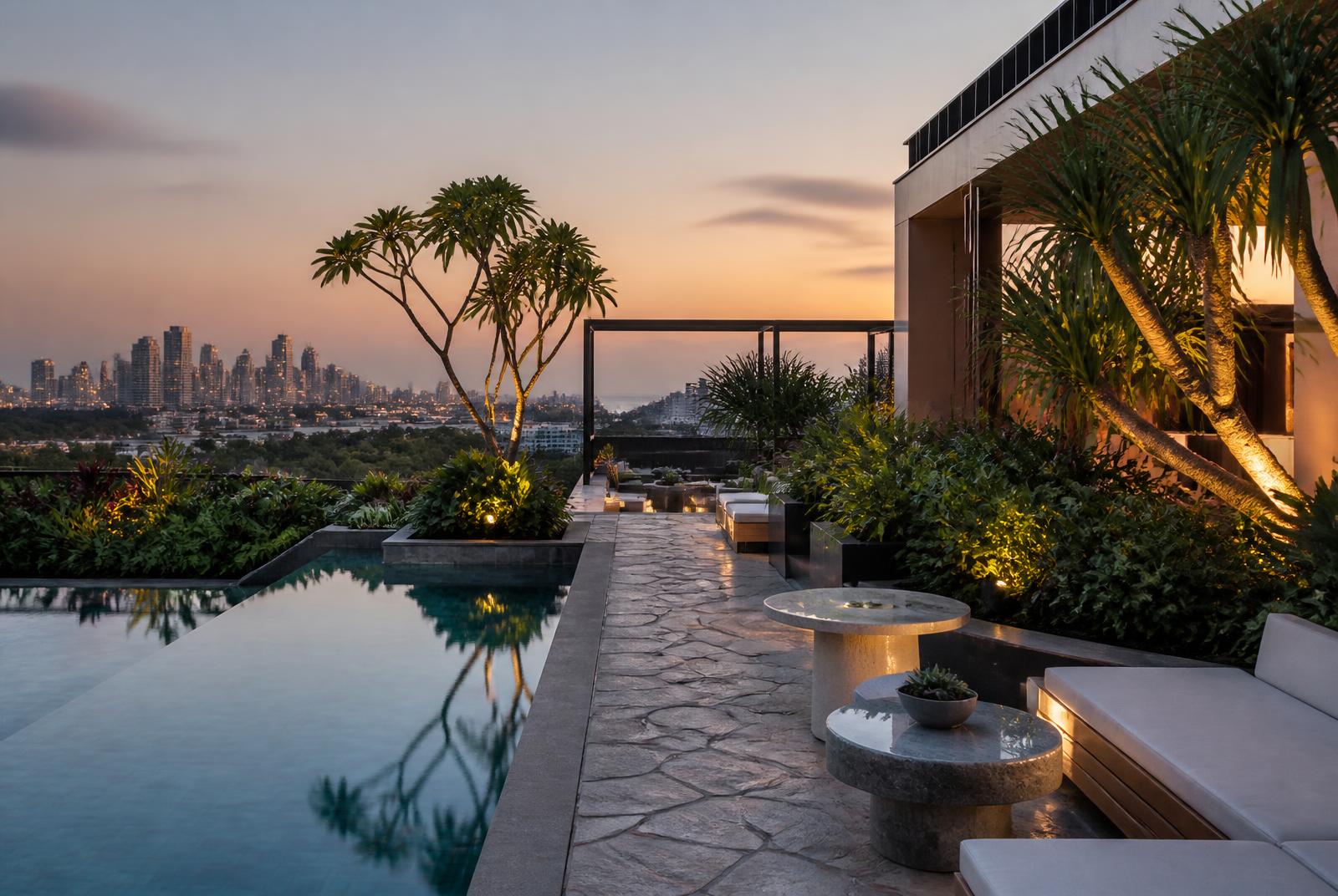
The third is atmosphere. This is where premium buildings separate themselves. Lighting temperature and levels, the consistency of lamps across a lobby, the state of landscaping and planters, seasonal detail, the absence of visual clutter such as taped notices and stray equipment — these are choices, and they are noticed. Atmosphere costs comparatively little and depreciates the fastest without attention.
The financial argument is straightforward. Presentation affects the rental market a building competes in. Two comparable apartments in comparable locations do not achieve comparable rents if one sits within a building that presents with evident care and the other does not. It affects leasing velocity, which affects vacancy, which affects annual return more sharply than headline rent does. It affects buyer sentiment and therefore resale. And it affects resident behaviour: well-presented buildings are treated better by the people who live in them.
There is a second-order effect that is less discussed. Presentation attracts and retains the calibre of resident that a premium building depends on. Standards are, to a degree, self-reinforcing. A building that maintains its common areas attracts residents who maintain their apartments, which reduces turnover, damage and disputes, which in turn reduces operating friction for everyone.
The practical framework is unremarkable but rarely applied consistently. Define the standard in specific terms rather than adjectives. Inspect against it on a fixed schedule and record the result. Rectify small items immediately rather than batching them into projects. Review the standard annually so that it rises with the building's market position rather than drifting below it.
Presentation is also the clearest evidence a committee has of management quality. Financial reports can be reconciled; maintenance registers can be reviewed. But the state of the lobby on an unannounced Tuesday afternoon is the most honest report a building produces — and it is available to anyone who walks through the door.