




Building Management
The maintenance year: keeping a tower to standard
August 2026 — 5 min read
A residential tower is not maintained in emergencies. It is maintained across a calendar — quietly, seasonally, and with an eye on the decade ahead as much as the week.
Ask a well-run building what its maintenance strategy is and the answer should be a calendar, not a philosophy. Standards are held through repetition: the same checks, at the same intervals, recorded the same way, year after year. Everything else is improvisation.
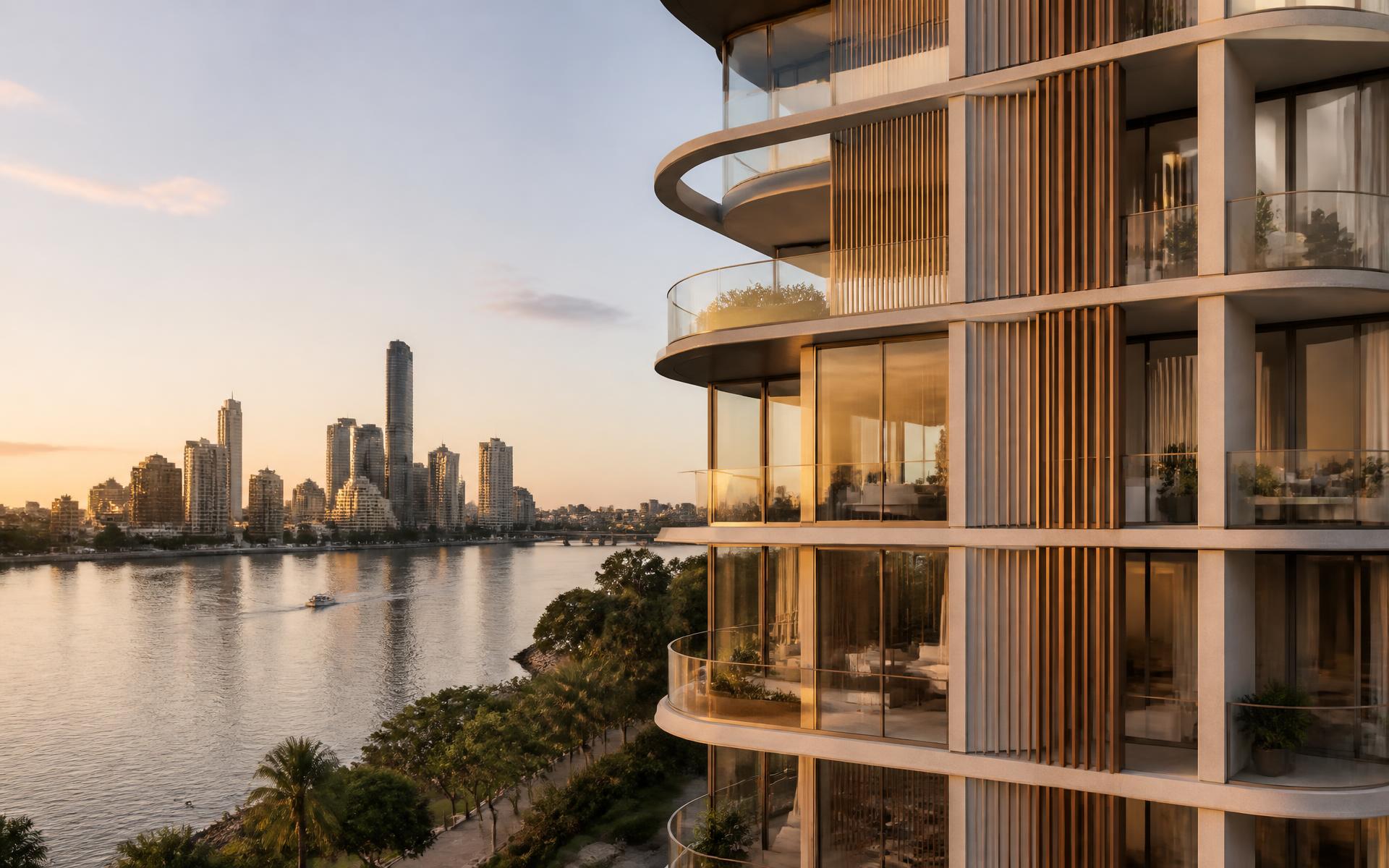
A Brisbane tower runs to a distinctly local rhythm. The subtropical climate is the single largest influence on how a building ages here — humidity, intense summer storms, salt-bearing air near the river, high UV load on exposed façades and balustrades, and heavy seasonal growth in landscaped areas. A maintenance year written for a temperate city will not hold a Brisbane building to standard.
The first quarter of the calendar year is storm season and its aftermath. Roof drainage, box gutters, sumps, basement pump wells and stormwater paths carry the greatest risk. Blocked drainage is the most common cause of serious internal water damage in high-rise residential property, and almost all of it is preventable through inspection before the season rather than remediation after it. Balcony drainage, membrane condition and window seals belong to the same review.
Through autumn, attention shifts to the building fabric. Cooler, drier weather is the natural window for façade inspection, sealant renewal, painting, concrete and balustrade checks, and any works requiring access equipment. This is also when defect patterns are easiest to read: staining, efflorescence, rust bleed and movement cracking are visible without the confusion of recent rainfall.
Winter is the practical time for plant and equipment. Lift servicing, fire system testing, generator runs, ventilation and exhaust cleaning, pump servicing, backflow testing and electrical inspections are all better done outside peak demand and peak occupancy. Compliance documentation is reconciled in the same window so that certificates, registers and service reports align rather than accumulate.
Spring brings the building back to presentation. Pool plant and water quality, outdoor furniture, landscaping and irrigation, lighting audits, common-area cleaning programs and the recreation levels all need to be ready before summer use. It is also the sensible point to review consumables, replace tired finishes and address the small cosmetic items that residents notice most.
Running underneath the seasonal calendar are the fixed cycles that never move: statutory fire safety testing, lift compliance, essential services maintenance, insurance valuation reviews, pool safety certification and work health and safety obligations for contractors on site. These are not discretionary, and a building's compliance position should be capable of being stated on any given day.
Above the annual calendar sits the long horizon. Buildings carry a small number of very large expenditures — lift modernisation, façade recoating, membrane replacement, plant renewal, common-area refurbishment — that arrive on a fifteen to thirty year rhythm. The purpose of good record keeping is to make those events foreseeable. A committee that knows its lifts are twelve years into a twenty-five year life can plan for it. A committee that finds out through a failure cannot.
There is a discipline that ties the whole calendar together, and it is unremarkable: writing things down. Every attendance, every defect, every quotation, every completion. The register is what allows a manager to say with confidence that a task was done, when, by whom and at what cost — and what allows the next manager, in five or fifteen years, to inherit a building rather than a mystery.
The test of a maintenance year is not whether nothing goes wrong. Equipment fails, storms arrive, and buildings are worked hard by the people who live in them. The test is whether the failures are small, contained and expected — and whether the building looks, on any ordinary morning, precisely as it should.